Posts

5 financial lessons to learn from this Diwali

Image
Diwali is one of the most awaited festivals as it is said to bring a positive aura and new opportunities for individuals, families and businesses. The return of Lord Rama marks new beginnings and the victory of good over evil! The meaning of this festival today is all about family get-togethers, exchanging gifts, enjoying sweets to your heart’s content, brightening up our homes with diyas and crackers. A lot of people make big purchases during this festive season and while that is considered auspicious, there are many other financial lessons that we take from this festival of lights! Related Reads: 5 Goals to Help Your Finances in 2020 Stay away from the evil shadow of ignorance Ignorance is not always bliss! We must learn from the enlightenment and knowledge that a lamp symbolizes to get rid of our ignorance towards financial planning, expense management and wealth management. How long has it been since you have asked yourself questions like “what is my credit score now? What can I d...

This Ganesh Festival Follow These 5 Major Financial Lessons for a Better Future!

Image
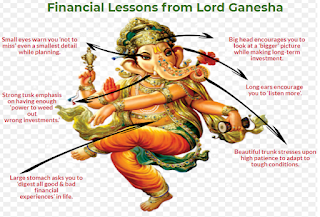
The 10-day long festival of Ganesha is considered the time for prosperity and success. The arrival of Ganesha brings you joy, but do you know that it also teaches you about your financial and credit life? Here are 5 major lessons you should learn from this festival. ·          Begin today to create a long credit history Lord Ganesha is the God of new beginnings. Let the arrival of Ganesha inspire you to start your journey towards building a strong credit life. A credit score of 750+ brings great benefits in your financial life. Loans are easily approved, you are eligible for best credit cards, and you can also negotiate loan terms with the lenders. All these advantages make it easy for you to take financial decisions. Well, a good credit score is a part of your credit history. The longer the history, the better is your score. With a high score, lenders consider you a responsible borrower and you can get loans easily.   If you ...

Can Advanced Analytics for Credit Scoring Change the Lending Market?

Image
Credit Scoring Change the Lending Market Anyone who has ever applied for a loan or a credit card knows the importance of maintaining a good credit score.   Building a good consumer credit score involves a lot of financial planning and discipline and is a time-consuming process. In case you have no idea, a credit score is a three-digit number assigned by a credit bureau to every lendee, indicating their ability to repay a debt. In India, the credit score ranges from 300 to 900, where a score above 650 considered as good. This score helps the banks and lenders decide whether to pass you a loan and at what interest rate. A consumer credit score takes into account various factors such as total debt, payment history and the length of credit history. Credit Score - A traditional approach towards loan lending Risk is an integral part of the lending business. Naturally, the lenders have always tried various ways to minimize their risk. As such, they have traditionally relie...

5 Financial Instruments to Help You with a Quick Loan

Image
Making the decision to obtain a loan is one of those scenarios you prefer to procrastinate until the need becomes real and pressing. However, just like all other ‘grown-up’ things in life, a personal loan too might someday become your reality. And if you believe us, it is not so dreadful after all, as it has been characterized into. In fact, in many ways, securing a loan today might just be more hassle-free than ever before, provided you have done your homework. Before you succumb to the persistent pressure of the rather persuasive marketing executive, you should consider the possibility of using financial instruments against loans. Financial instruments can be real or virtual documents representing a legal agreement involving any kind of monetary value. Equity-based financial instruments represent ownership of an asset. Most consumers are unaware of loans against securities, including shares, mutual funds, gold, and other financial instruments. Taking loans against financial ...

Credit Bureaus – What Do They Mean for You?

               Credit bureaus are also known as Credit Information Companies (CICs) in India, are organizations which collect credit data related to loan and debt repayment history for individuals, businesses, and firms. They provide this data to financial institutions such as banks and NBFCs as personal credit score and credit report whenever an individual approaches a bank/financial institution to avail loan and as a business credit score and credit report whenever a business or a firm approaches a bank/financial institution seeking a new credit facility.                 A credit bureau in India is licensed by the Reserve Bank of India and governed under The Credit Information Companies (Regulation) Act, 2005 also known as CICRA 2005. The Act of 2005 was enacted to regulate CIC’s in India and facilitate efficient distribution of credit and for matters concerned with it. RBI has licensed four credit info...

Global Trends in Fraud Prevention and Detection

According to a 2013 report published by the ICFE Fraud Magazine, 46% of the identity fraud  reported globally involved breaches of government documents. 20% of all complaints were related to breaches of data of financial institutions. An RBI circular of November 2014 reported that in some cases, even though the original cheques were in the custody of the customer, cheques with the same series had been presented and encashed by fraudsters. According to the National crime records bureau statistics, the total number of cases of cybercrime registered in India in 2013 was around 4,356 and 2098 arrests were made in this regard. In India alone, frauds worth 11,022 crore INR were reported in public sector banks between April – December 2014 and over 2000 cases of fraud were reported to the RBI. Government Regulations to prevent frauds The regulations and laws governing the financial services sector in India are gradually developing. With new and robust ways replacing old and tradit...